
oxycodone
This combination medication is used to help relieve moderate to severe pain. It contains an opioid pain reliever (oxycodone) and a non-opioid pain reliever (acetaminophen).
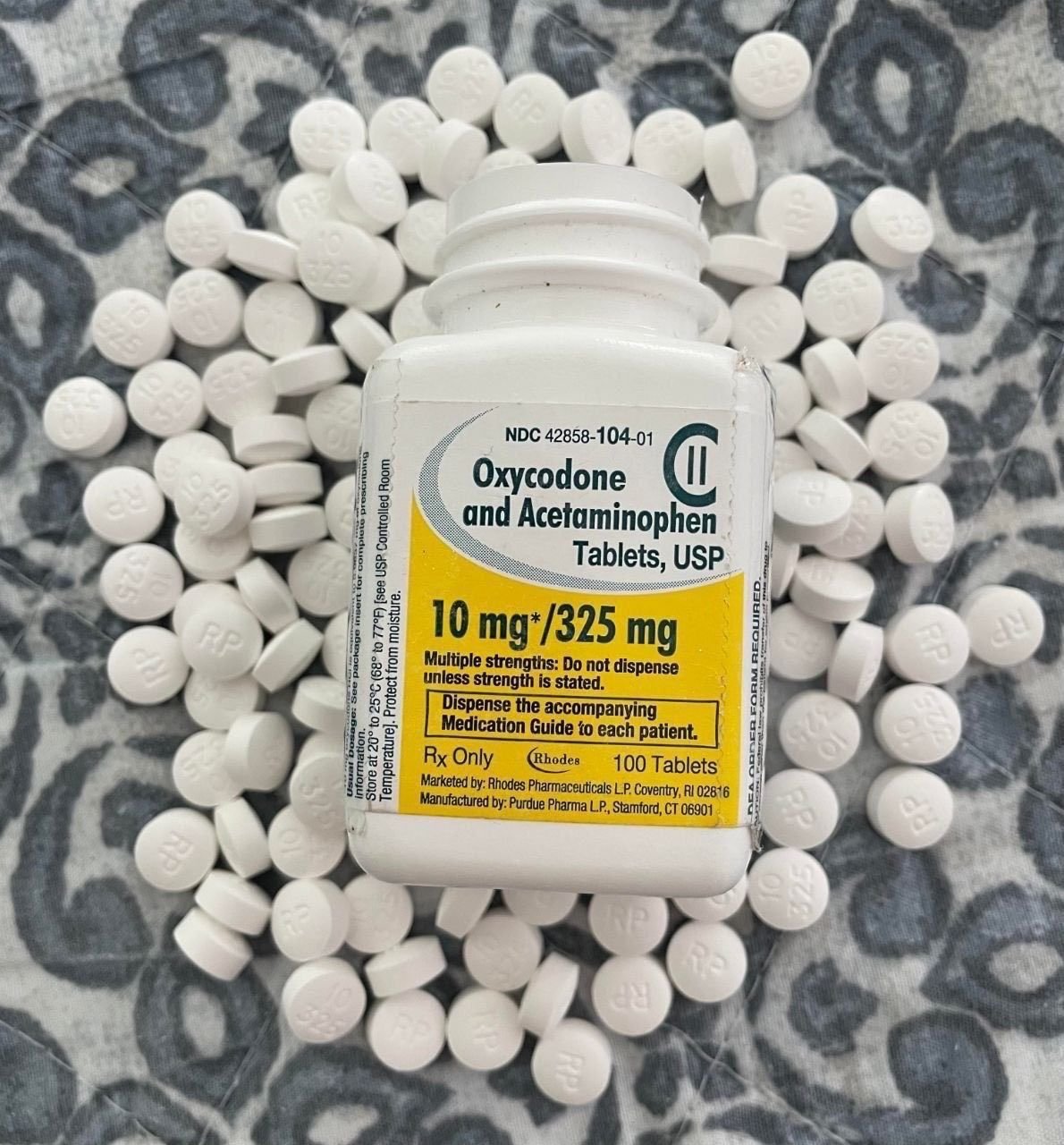
Oxycodone-Acetaminophen 10 mg/325 mg: Product Information
Oxycodone-acetaminophen 10 mg/325 mg is a prescription combination medicine containing an opioid analgesic, oxycodone, and the non-opioid pain reliever acetaminophen. The combination is used under medical supervision for pain when an opioid analgesic is considered appropriate. Oxycodone changes how the brain and nervous system respond to pain, while acetaminophen contributes additional analgesic activity.
Because this medicine contains an opioid, it should only be used by the person for whom it was prescribed and exactly according to the prescribing instructions.
What Is Oxycodone-Acetaminophen 10 mg/325 mg?
Each tablet contains 10 mg of oxycodone hydrochloride and 325 mg of acetaminophen. FDA labeling for oxycodone/acetaminophen tablets identifies 10 mg/325 mg as one of the available strengths.
Active Ingredients
| Ingredient | Amount per tablet | Role |
|---|---|---|
| Oxycodone hydrochloride | 10 mg | Opioid analgesic |
| Acetaminophen | 325 mg | Non-opioid analgesic |
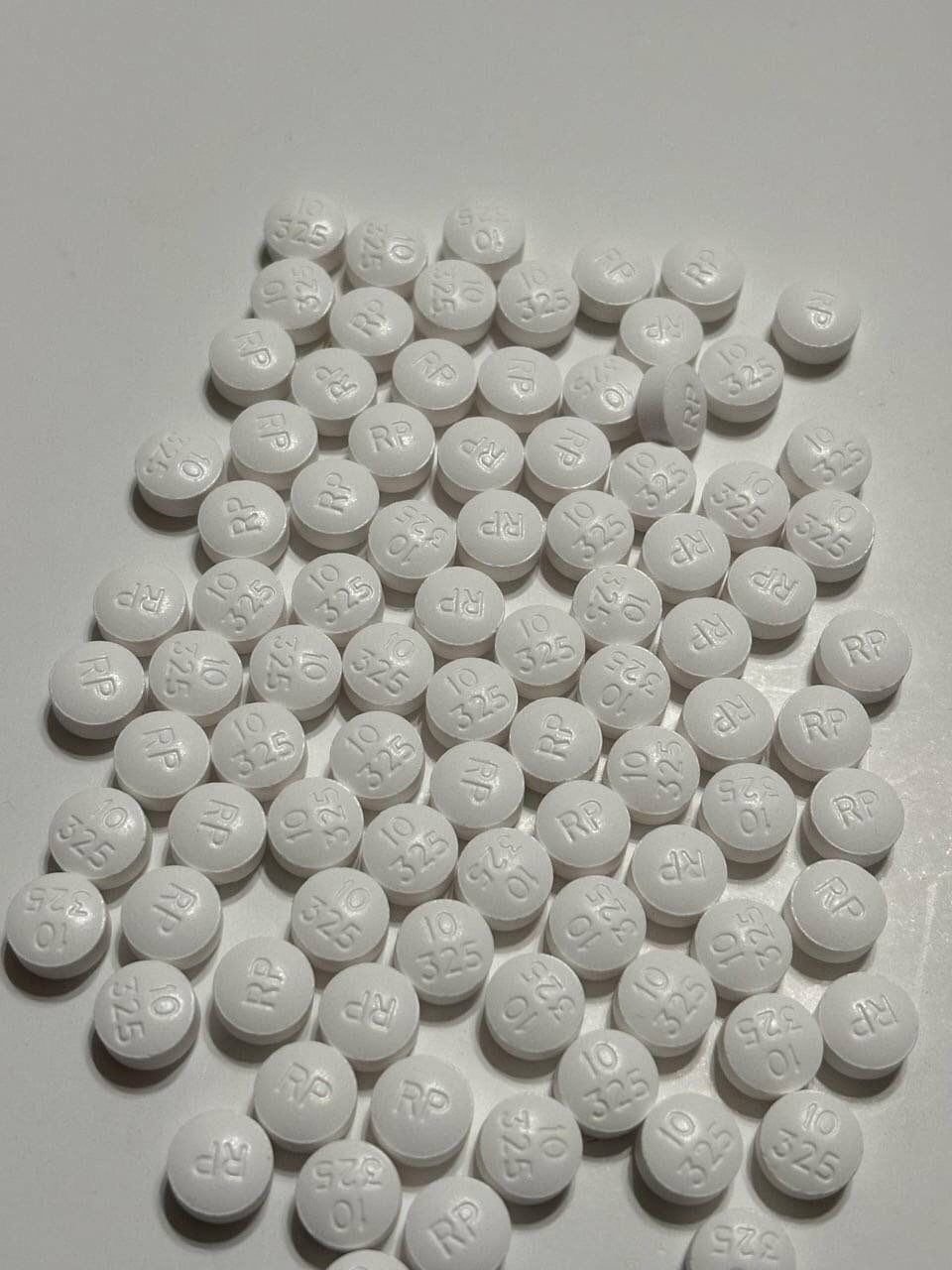
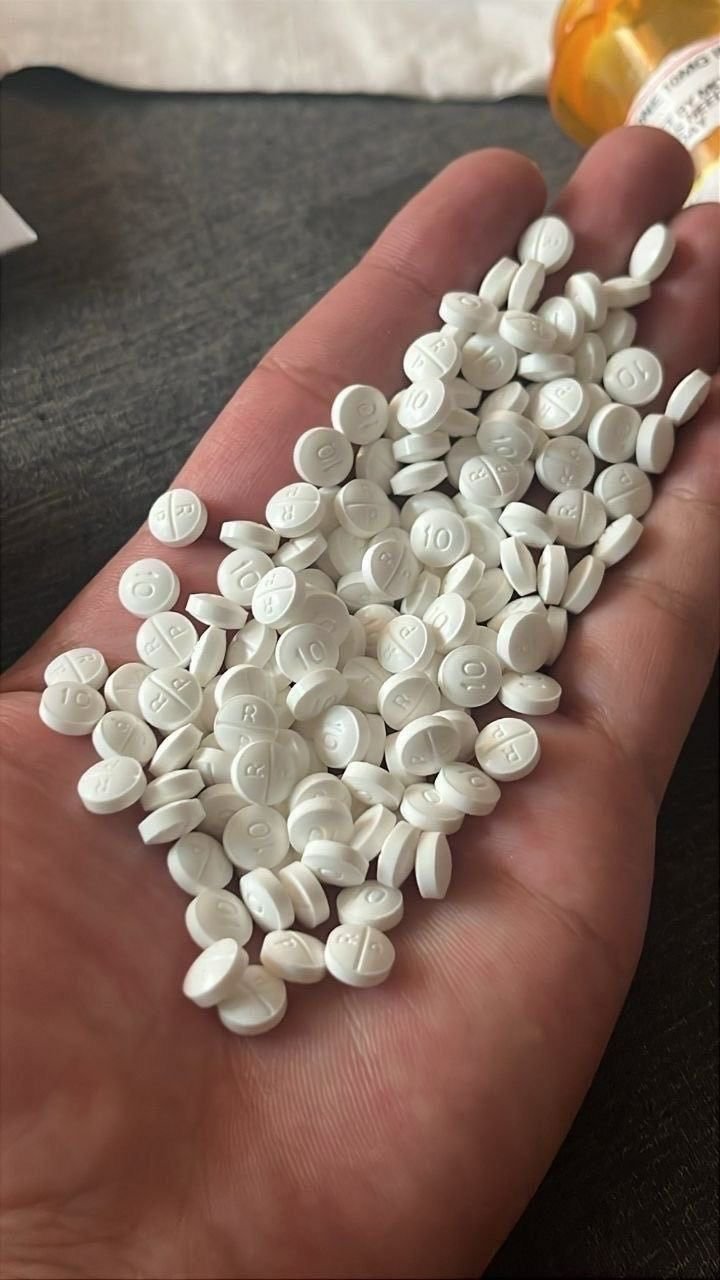
The exact appearance and inactive ingredients can vary between manufacturers, so patients should use the product information supplied with their prescription rather than identifying tablets by appearance alone.
How Oxycodone and Acetaminophen Work
Oxycodone
Oxycodone belongs to the opioid class of medicines. It acts on the central nervous system to alter the body’s perception and response to pain. Prescription oxycodone products are used for severe pain when clinically appropriate.
Acetaminophen
Acetaminophen is an analgesic and fever reducer. It is contained in many prescription and non-prescription medicines, making it important to check other medicines for acetaminophen before taking an oxycodone-acetaminophen product. Excessive acetaminophen exposure can cause severe liver injury.
Key Product Information
| Feature | Information |
|---|---|
| Product | Oxycodone-acetaminophen |
| Strength | 10 mg/325 mg |
| Dosage form | Oral tablet |
| Prescription status | Prescription medicine |
| Opioid component | Oxycodone |
| Non-opioid component | Acetaminophen |
| Main therapeutic purpose | Pain management when prescribed |
| Administration | Oral, according to the prescription |
| Important concern | Opioid-related respiratory depression, misuse and dependence |
Important Safety Information
Oxycodone can be habit-forming, including when taken at prescribed doses. Taking more than prescribed, taking it more frequently, or using it differently from the prescribed directions increases the risk of serious harm.
Respiratory Depression
One of the most serious risks associated with oxycodone is potentially life-threatening respiratory depression. The risk can be particularly important during the first 24–72 hours of treatment and following increases in dosage. Slow or shallow breathing, unusually long pauses between breaths, and difficulty breathing require immediate medical attention.
Alcohol and Other Medicines
Combining oxycodone with alcohol, certain sedatives, other opioids, or some other medicines can increase the risk of severe sedation, respiratory depression, coma, or death. Patients should provide their doctor and pharmacist with a complete list of prescription medicines, over-the-counter products, supplements, and other substances they use.
Acetaminophen Safety
Because this product contains 325 mg of acetaminophen per tablet, patients should check other medicines for acetaminophen or abbreviations such as APAP. Taking multiple acetaminophen-containing products can unintentionally increase total exposure and may result in serious liver damage.
Strength Chart
This chart describes commonly documented oxycodone/acetaminophen tablet strengths rather than recommending which strength a person should take.
| Oxycodone component | Acetaminophen component |
|---|---|
| 2.5 mg | 325 mg |
| 5 mg | 325 mg |
| 7.5 mg | 325 mg |
| 10 mg | 325 mg |
FDA labeling documents these strengths among oxycodone/acetaminophen tablet formulations. The appropriate product and dose depend on an individual prescription and clinical circumstances.
Taking Oxycodone-Acetaminophen Safely
Patients should follow the prescription label and Medication Guide supplied with their medicine.
Important points include:
- Take the medicine only as prescribed.
- Do not take extra tablets because pain has increased without contacting the prescriber.
- Do not give your medication to another person.
- Do not combine it with alcohol unless specifically cleared by a healthcare professional.
- Check other medicines for acetaminophen.
- Keep the medication secured away from children and other people.
- Tell healthcare professionals about all medicines and supplements being taken.
- Never change the prescribed dose or frequency without medical advice.
- Do not stop regularly used opioid therapy abruptly without speaking with the prescriber, because withdrawal can occur.
Commonly Reported Effects
Oxycodone-containing medicines can cause effects such as:
- Drowsiness
- Dizziness
- Nausea
- Vomiting
- Constipation
- Sleepiness
More serious reactions can occur, particularly respiratory depression, severe sedation, allergic reactions, or overdose. Patients should seek urgent medical assistance for serious breathing difficulties or an inability to stay awake.
Overdose and Emergency Information
An oxycodone overdose can cause dangerously slow or shallow breathing, extreme sleepiness, inability to wake, weakness, cold or clammy skin, and changes in heart rate.
Naloxone or nalmefene may be used as opioid-overdose reversal medicines. MedlinePlus advises patients taking oxycodone combination products to discuss having an opioid-overdose reversal medicine available with their healthcare professional.
If an overdose is suspected, seek emergency medical help immediately rather than waiting for symptoms to become more severe.
Storage and Responsible Handling
Prescription opioids should be stored securely and kept out of reach of children and other people. Never share oxycodone-acetaminophen with someone else, even if that person has symptoms that appear similar.
Unused medicine should be disposed of according to local pharmaceutical take-back or medication-disposal instructions. A pharmacist can provide guidance on appropriate disposal.
Who Should Discuss This Medicine With a Doctor?
Before taking oxycodone-acetaminophen, patients should discuss their medical history and current medicines with their healthcare professional. Particular attention may be needed when there is a history of opioid use, breathing problems, liver problems, substance-use concerns, or use of medicines that cause sedation.
Pregnancy should also be discussed with a healthcare professional. Regular opioid exposure during pregnancy can result in serious withdrawal symptoms in a newborn.
Frequently Asked Questions
Is oxycodone-acetaminophen the same as oxycodone alone?
No. Oxycodone-acetaminophen contains two active ingredients: oxycodone and acetaminophen. Oxycodone-only products contain oxycodone without acetaminophen.
Are oxycodone tablets prescription medicines?
Yes. Oxycodone is a prescription opioid and should be used only under appropriate medical supervision.
Can I take additional acetaminophen with this medicine?
Do not add acetaminophen-containing medicines without first checking with a doctor or pharmacist. Additional acetaminophen can increase total exposure and the risk of liver injury.
Can oxycodone cause dependence?
Yes. Oxycodone can be habit-forming, and physical dependence can develop with continued use. Follow the prescription carefully and discuss concerns about dependence or stopping treatment with a healthcare professional.
Important Points
- 10 mg/325 mg refers to 10 mg oxycodone hydrochloride and 325 mg acetaminophen per tablet.
- Oxycodone is an opioid analgesic.
- Acetaminophen is an additional pain-relieving ingredient.
- The medication should be used only by the person to whom it was prescribed.
- Mixing opioids with alcohol or certain sedating medicines can be dangerous.
- Excessive acetaminophen can cause severe liver damage.
- Opioid overdose can cause life-threatening respiratory depression.
- Keep prescription opioids secured and never share them.
- Seek emergency assistance for suspected overdose or serious breathing problems.
Final Considerations
Oxycodone-acetaminophen 10 mg/325 mg is a potent prescription pain medicine that requires careful use. The combination of an opioid with acetaminophen can provide clinically useful pain relief when appropriately prescribed, but it also carries significant safety considerations. Patients should rely on their prescription label, Medication Guide, doctor, and pharmacist for individualized instructions rather than online purchasing claims or informal dosing advice.
Medical information note: This page is for general educational purposes and does not replace advice from a qualified healthcare professional. The FDA notes that labeling can change, so current prescribing information should be consulted for the specific product being dispensed.
| Quantity | 100 Tabs, 200 Tabs, 25 tabs, 50 Tabs, 75 Tabs |
|---|
Related products
 Select options This product has multiple variants. The options may be chosen on the product page
Oxycodone 30mg
Price range: $320 through $1,700- Select options This product has multiple variants. The options may be chosen on the product page
Oxycodone 10mg K56
Price range: $275 through $1,850 - Select options This product has multiple variants. The options may be chosen on the product page
OXYContin® 40mg
Price range: $325 through $2,200 - Select options This product has multiple variants. The options may be chosen on the product page
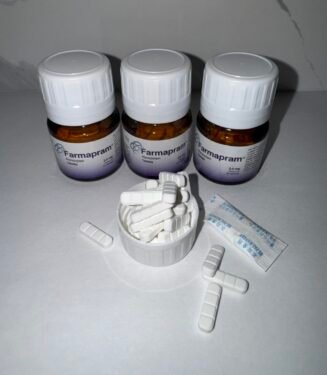
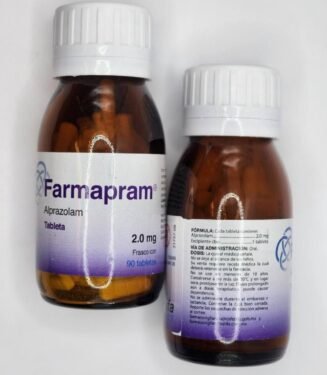
farmapram alprazolam 2mg
Price range: $100 through $600




Reviews
There are no reviews yet.